Rosalie de Marcanville
The Best Werewolf Short Stories 1800-1849Rosalie de Marcanville is the wife of Gaspar de Marcanville and the mother of Adéle de Marcanville. In exile, she represents the small family remnant that Gaspar is permitted to carry with him when political treachery strips him of rank, property, and public identity. Her presence gives his retreat a human purpose: alongside his daughter, she is among the few treasures left to him, and her fate is bound to the uncertain possibility that his name and estates may one day be restored.
Exile and Family Life
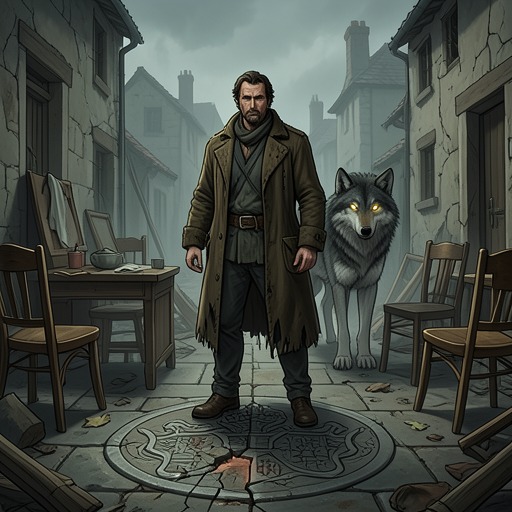
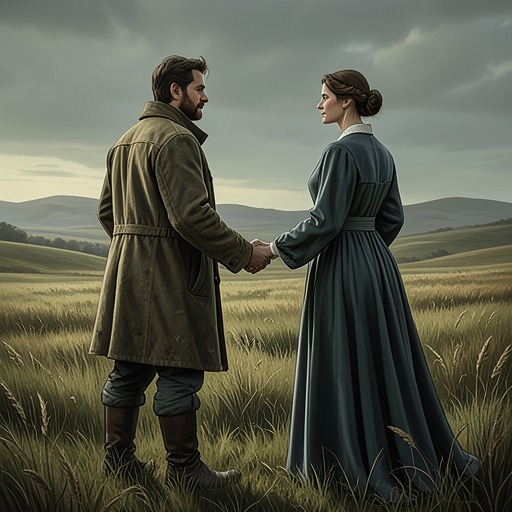
Gaspar withdraws with Rosalie and Adéle de Marcanville into the dark, extensive recesses of the Hanoverian Harz. The family’s exile is not presented as a voluntary pastoral retreat but as the consequence of Gaspar’s degradation and banishment after De Saintefleur’s treachery is mistaken for Gaspar’s crime. In the forest, the household is reduced to subsistence and concealment. Gaspar must hunt to keep them alive, while Rosalie shares the physical and emotional burden of a life cut off from the court and from the rank to which the family belongs.
Rosalie also becomes connected to Gaspar’s attempt to preserve the truth. Gaspar writes a faithful account of De Saintefleur’s betrayal and obtains a certificate from his Confessor, Father Ægidius, to confirm it. He entrusts the document to Rosalie, instructing her to deliver it to Francis if he should die during one of the dangerous excursions undertaken to secure their daily food. The arrangement makes her the keeper of both his testimony and the family’s possible restoration: should Gaspar perish, the papers may free his household from the pledge that prevents him from exposing his former friend.
Suffering and Death
The years in the Hercynian woods wear Gaspar down. His gaunt, attenuated appearance reflects the combined effects of fatigue, sorrow, poverty, and prolonged separation from his former life, while his grief repeatedly erupts in violent passion and bitter lamentation. Rosalie is not merely a witness to this suffering; the narrative states that Gaspar’s fate weighs so heavily upon her grief-worn frame that, about ten years after his exile, she dies.
Rosalie’s death leaves Gaspar a widower and Adéle de Marcanville scarcely eighteen years old. The timing gives the loss particular force. It follows a decade in which the family has endured together, and it removes the companion who shared the original catastrophe just as Adéle reaches the threshold of adulthood. Gaspar’s grief therefore becomes both personal and practical: he must continue protecting his daughter without Rosalie, while the absence of his wife makes the exile’s cost unmistakably permanent.
Consequences for Gaspar and Adéle
After Rosalie’s death, Gaspar decides, with desperation and distress, to emerge from solitude and return toward France, despite the danger of coming back from exile without recall. He initially intends to go as far as the court, lay his papers at the foot of the throne, and demand the Ordeal of Combat with De Saintefleur. Rosalie’s death is thus part of the pressure that drives him from endurance toward confrontation, even though his resolve falters when he sees how ten years of severe labor and heartfelt sorrow have altered his appearance.
Gaspar ultimately chooses concealment rather than immediate exposure. In the forest around St. Yrieux, he believes he can remain unknown in his beloved France, support Adéle under the guise of a hunter, and place her nearer to Francis’s residence should he die. He uses part of his remaining property to secure a residence in the dilapidated Chateau. Rosalie does not accompany him into this later stage, but her absence governs it: the family that once consisted of husband, wife, and daughter has been reduced to a widowed father organizing his remaining life around Adéle’s survival and future.
Narrative Significance
Rosalie’s role is concentrated rather than expansive, yet it is structurally important. She embodies the domestic cost of Gaspar de Marcanville’s political ruin, linking public injustice to private bereavement. Her custody of Gaspar’s written testimony gives her a quiet evidentiary function, while her death transforms exile from a shared hardship into Gaspar’s solitary burden. Through Rosalie, the narrative measures the passage of time not only by Gaspar’s changed body and altered ambitions, but also by the disappearance of the family member who had endured the forest years beside him.